How Dream Cymbals Brought B2B Wholesale and Retail Sales Into One Shopify Store
Established in 2007, Dream Cymbals and Gongs is renowned for its handcrafted percussion instruments, cymbals and gongs. Headquartered in Toronto, Canada, the brand reaches musicians around the world through a wide network of dealers and distributors.
Alongside their dealer network, Dream also sells instruments through their online store, serving both individual musicians and wholesale buyers.
Selling to both customer segments from one store came with a few complexities. Managing wholesale prices for different customers meant the team needed a way to handle B2B pricing without complicating the regular shopping experience.
The Challenges of Having Wholesale Terms at a Retail Checkout
The team was looking for an app that could handle several parts of the wholesale setup together: assigning different prices to different wholesale customer groups, displaying prices in the relevant currencies, supporting large order placement, and limiting access to additional payment methods to B2B customers. And most importantly, one that would allow both B2B and B2C sales from one single store.
Finding an app that could manage these requirements was a challenge.
Most other options simply offered variations on customer discounts, which was not granular enough and also made multiple currency lock-in very difficult. Other options also did not easily allow segmenting our customers in a way that reflected our internal price and accounting strategy.
Separate Price Lists for Wholesale Customers
Wholesale pricing wasn’t simply about offering the same percentage-off retail prices to every wholesale customer. The team had to maintain multiple price lists and assign them to specific B2B customers or groups.
When a buyer logged in, they needed to see their own prices. These prices also had to remain hidden from the general public and customers who weren’t assigned to that price list.
Bulk Updates to Price Lists
Keeping prices updated was another part of the process. The team needed to update prices through CSV files rather than changing each product’s price individually.
Dream’s accounting system already allowed the team to bulk manage and edit their price lists across currencies. Their previous setup connected to this accounting platform, but it lacked the B2C and marketing side of Shopify. The team needed to keep this way of managing prices while bringing wholesale into the same store as retail.
Wholesale Payment Terms at Retail Checkout
Wholesale customers had agreed payment terms, with many paying later by wire transfer, cheque or bank deposit. The challenge was making these payment options available only to wholesale customers.
If the team added these methods in Shopify without restricting access, both retail and wholesale customers could see them at checkout. Without a way to control who saw these options, B2B customers on payment terms had no simple way to place their orders online.
Large Wholesale Orders Sent as Spreadsheets and CSVs
Not all wholesalers placed their orders through the online store. Some sent purchase orders as Excel spreadsheets or CSV files, sometimes with hundreds of line items.
This meant extra work for the team. They had to check the prices assigned to each customer and enter the orders manually, line by line.
The Solution
Dream now uses DL: Wholesale & B2B Pricing to manage wholesale prices and control which payment methods wholesale customers can access at checkout.
Managing B2B Wholesale Prices by Customer Tag
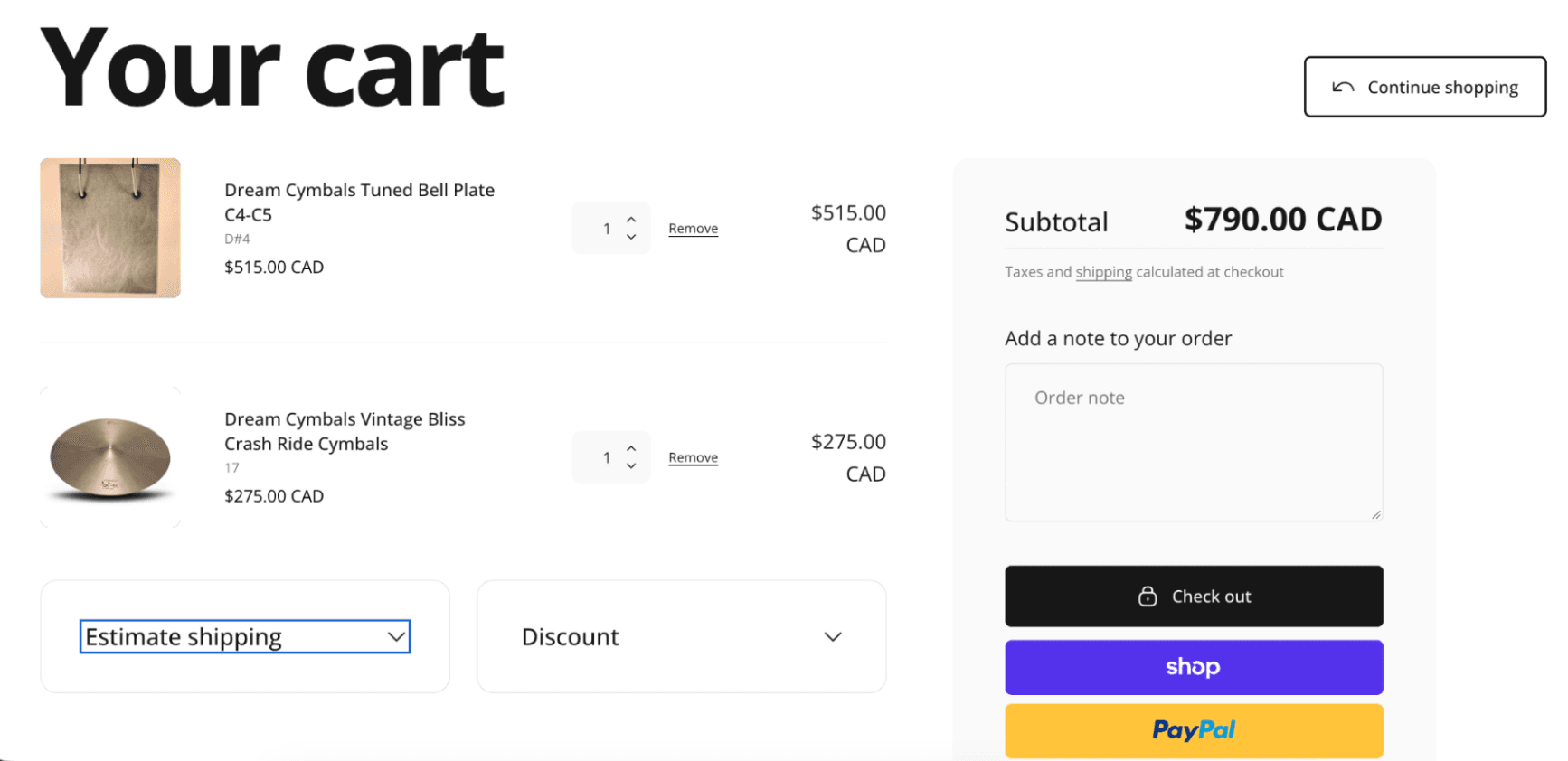
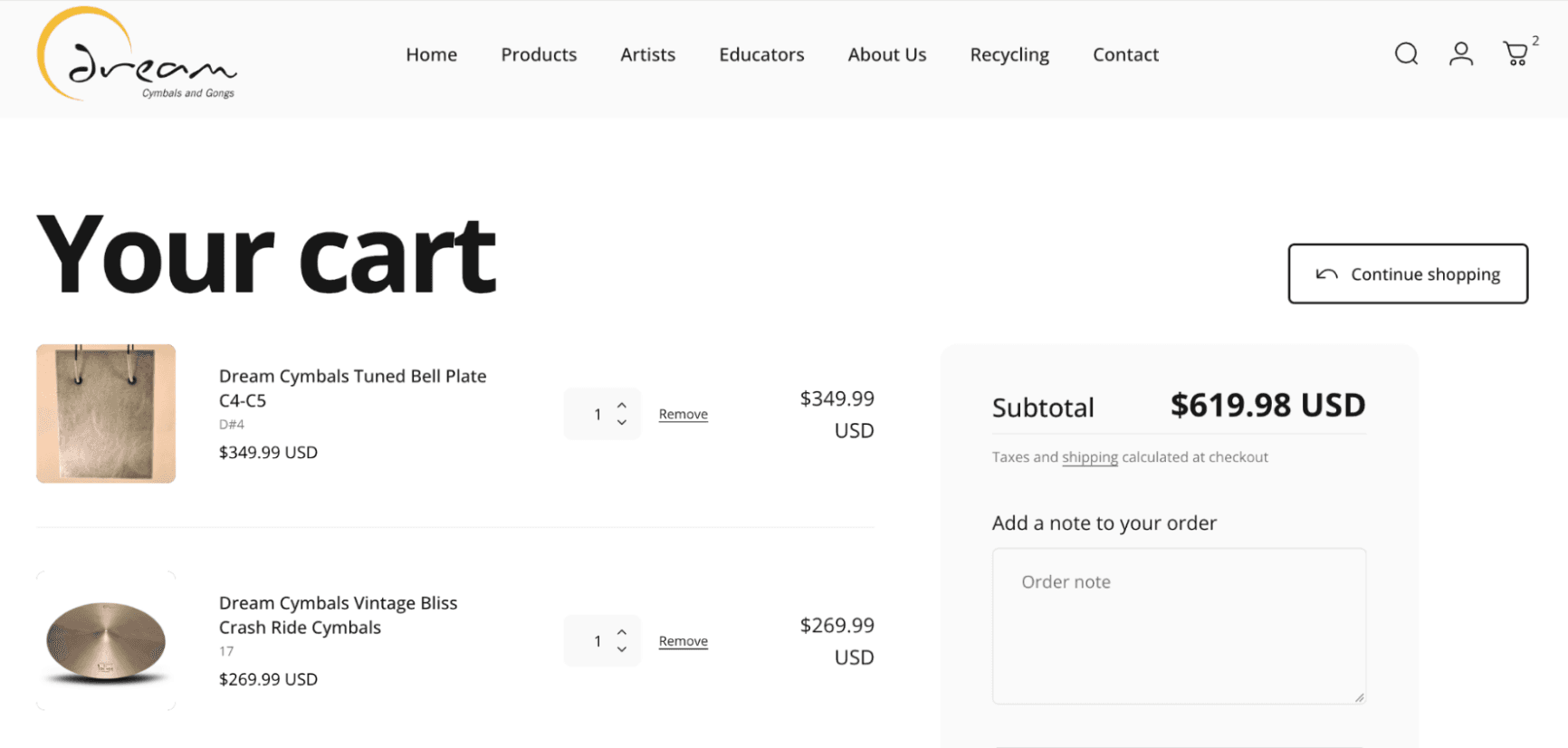
Price lists are assigned to B2B customers through customer tags. When a customer with a wholesale tag signs in, they see their prices on product & collection pages, as well as checkout.
This allows signed-in wholesale buyers to see the prices intended for them, while retail shoppers and guests continue to see regular store prices.With Shopify Markets, the app automatically converts their prices, and wholesale customers outside Canada see these prices in their local currency.
Using bulk import and export, the team can also update an entire price list at once instead of changing every price individually.
Showing Payment Terms Only to B2B Customers
Dream set up wire transfer, cheque and bank deposit as manual payment methods in Shopify. The missing piece was controlling who could see them at checkout.
With DL: Wholesale & B2B Pricing, the team can link payment rules to customer tags. These payment methods appear only for signed-in B2B customers with the relevant B2B tag, while retail shoppers and guests continue to see the store’s regular payment options.
Everyone continues to check out through the same store. Wholesale customers can place orders online and select their agreed payment method. The order remains pending until the payment arrives and the team marks it as paid.
Making Large Orders Easier to Place
For larger orders, customers can use the bulk order form on Dream’s store instead of adding products one by one. They can search by SKU or product name and enter quantities across multiple lines, or import their purchase order as a CSV file. Their assigned prices apply across the order, and they can submit it through the regular checkout.
The Result: Retail and Wholesale Side by Side in One Store
For Dream Cymbals, the main concern was making sure retail customers couldn’t see prices meant for specific B2B customers. Before setting up DL: Wholesale & B2B Pricing, they had a custom web solution built for their B2B customers. Dealers and distributors entered their orders there, while the operations team had to pick, assign the correct prices and terms and pack individually.
The new setup addresses this by linking prices and payment options to customer tags, allowing Dream to serve individual musicians and wholesale customers through the same Shopify store.
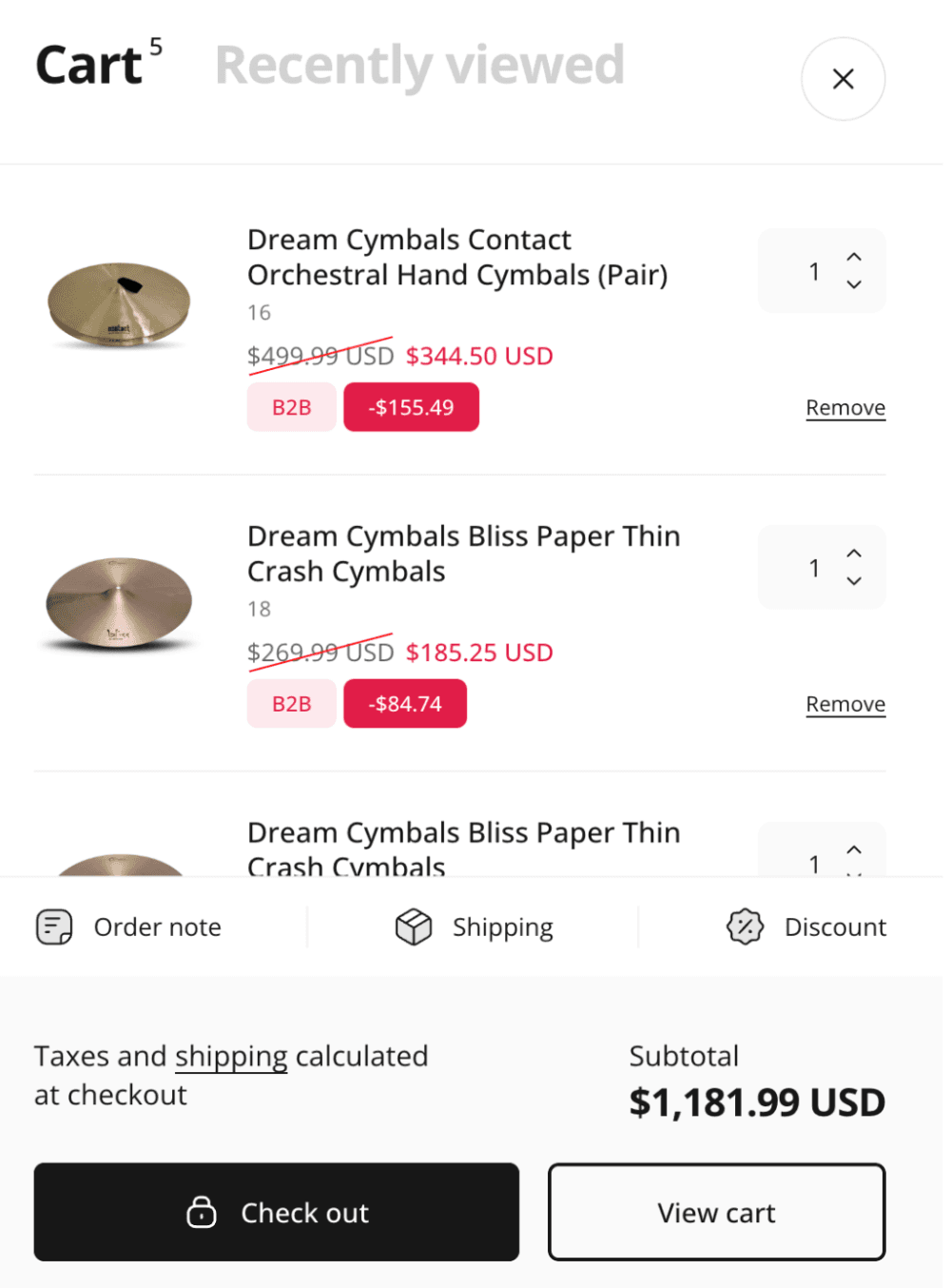
Within the first week, signed-in B2B customers could see their assigned prices in their currency, while retail customers and guests continued to see regular store prices.
This is the first set up we have found that truly meets our needs. It is customizable in practical, easy to use ways allowing us to create programs and sales policies and fit the software to our needs rather than us adjusting to the needs of the software. Recent changes in international trade regulations have presented new challenges that are easily solved by the DL solution.
And as for the operational side of things;
- More control over customer-specific options: Along with pricing, the team can show or hide shipping rates and payment methods based on customer tags, making it easier to accommodate different sales policies.
- Fewer operational steps: Orders can be processed directly through the website, reducing the number of touchpoints in the team's operations and the need to handle exceptions manually.
- Faster price updates: The team can bulk edit prices across hundreds of SKUs using data from its accounting software. This saves them hours of manual data entry, reduces errors and keeps pricing consistent across systems.